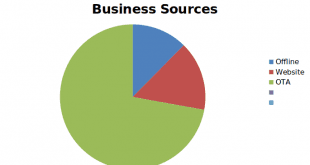
For years, OTAs (Online Travel Agencies) have been the lifeline of hotel bookings. They offer reach, visibility, and convenience — but at a heavy price. Most hotels today depend on OTAs for nearly 80% of their bookings, leading to massive commission payouts ranging from 15% to 25% per booking. That's a direct hit to profitability.
However, the tides are turning. Forward-thinking hoteliers are now realising that revenue diversification is the key to sustainable growth — and the numbers back it up. By optimising and balancing their booking mix, hotels can save up to 20% of their overhead revenue loss while building stronger brand control and guest loyalty.
The OTA Dependency Dilemma
OTAs undeniably bring volume — but at a cost. Heavy dependence on them means:
- High commission cuts eating into profits
- Limited guest ownership — no direct relationship or repeat opportunities
- Price undercutting leading to brand dilution
- Unstable demand due to fluctuating OTA algorithms and visibility
In essence, OTAs are a great supporting channel, but not a sustainable primary source of revenue.
The Winning Strategy: Diversify Your Booking Channels
Top-performing hotels across markets are adopting a multi-channel booking strategy to reduce their OTA share and increase direct profitability. Here's how:
1. Agent Connect — The Power of Offline Agents
Offline travel agents continue to play a major role in leisure and corporate travel, especially in developing markets. By building strong relationships and providing real-time availability and rate visibility through digital tools like Agent Connect, hotels can:
- Secure bulk and long-stay bookings
- Enjoy zero to low commission structures
- Build repeat and referral networks
These partnerships act as a stable and predictable revenue stream that's less volatile than OTA traffic.
2. Meta Channels — The New-Age Discovery Engines
Platforms like Google Hotel Ads, TripAdvisor, and Trivago are transforming how guests compare and book. By listing your property on meta channels and integrating them with your booking engine, you can:
- Capture high-intent travellers searching for rates directly
- Drive traffic straight to your website, bypassing OTA commissions
- Gain better visibility without losing control over pricing
Metasearch has become a crucial "middle ground" — offering the reach of OTAs with the control of direct channels.
3. Direct Booking Engine — Your Most Profitable Channel
A well-optimised hotel website and booking engine is your biggest asset in reducing OTA dependency. With features like instant confirmation, dynamic pricing, special offers, and a smooth booking experience, hotels can convert website visitors into direct customers.
According to industry data, direct bookings can be 18–25% more profitable than OTA bookings, thanks to zero commissions and better upselling opportunities.
4. Walk-In Guests — The Forgotten Goldmine
Walk-in traffic may have declined in the digital age, but it still holds significant potential, especially in tourist-heavy destinations. Training your front desk team to convert inquiries, upsell room categories, and manage rate parity ensures that every footfall counts toward your bottom line.
5. On-Call Bookings — Personalised Guest Conversions
Phone and WhatsApp-based reservations are regaining popularity as guests seek human assistance for quick clarifications, group bookings, or last-minute deals. Integrating call bookings into your central reservation system ensures that no opportunity slips through the cracks — and every lead is trackable.
The Real Impact: How Hotels Are Winning
Hotels that have successfully diversified their booking sources have reported:
- Reduction of OTA dependency from 80% to 50% within 6–12 months
- Revenue savings of up to 20% from reduced commission costs
- Increased repeat bookings by 30% through direct and agent relationships
- Better forecasting and rate control, leading to higher RevPAR
By balancing online and offline channels, these hotels aren't just cutting costs — they're building control, consistency, and customer loyalty.
The hotel industry's future belongs to those who can control their demand sources rather than depend on them. OTAs will always remain an essential partner, but the goal should be balance — not dependence.
By leveraging Agent Connect tools, metasearch visibility, direct booking engines, and smart offline integrations, hotels can finally reclaim their revenue and own their guest relationships.
The goal isn't to abandon OTAs — it's to ensure they're part of your strategy, not your entire strategy.